



Blu Zone: large audience for Professor Michel Poulain

I segreti della longevità: grande attenzione per il convegno del professor Michel Poulain
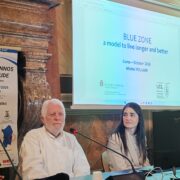
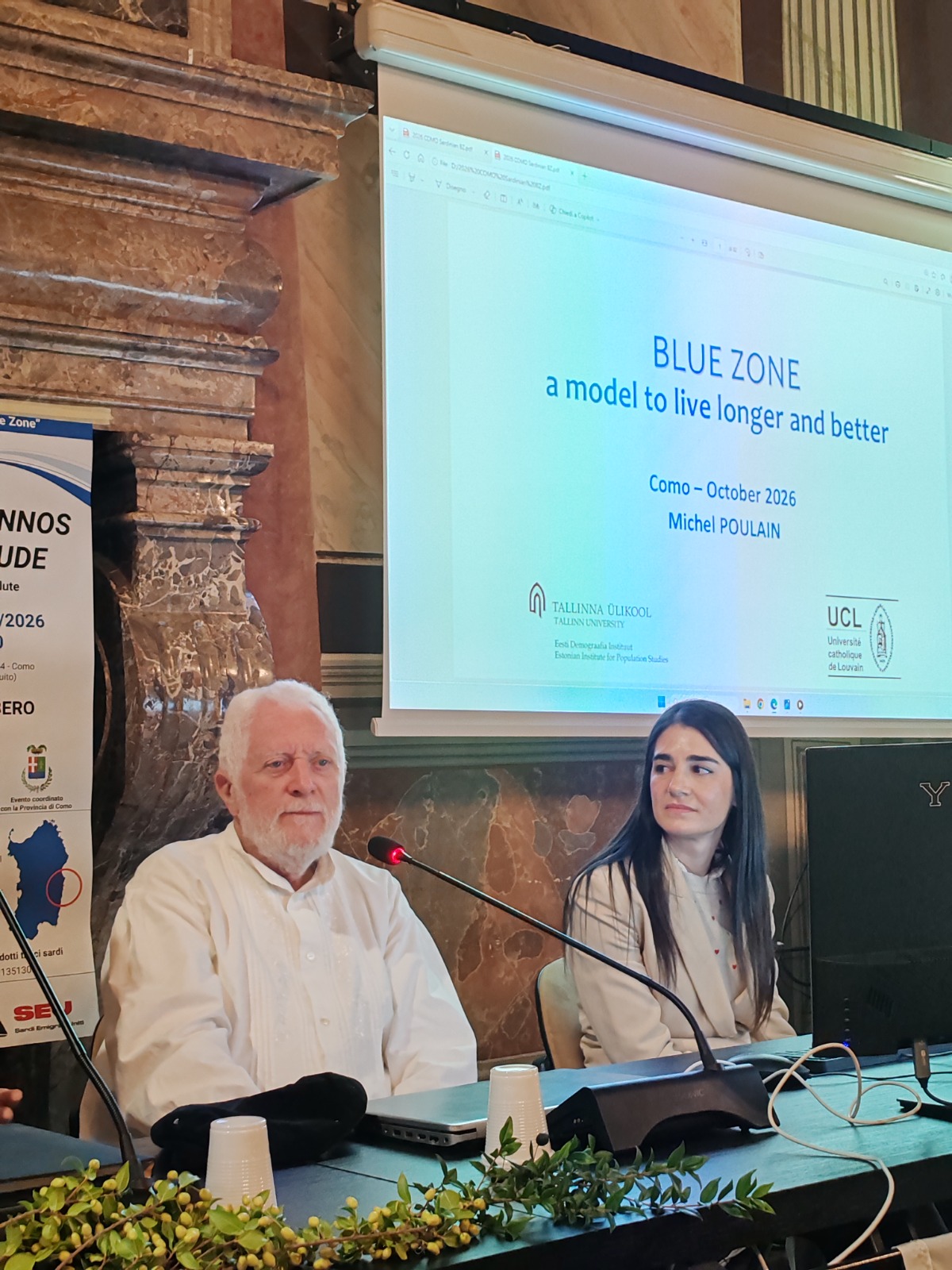
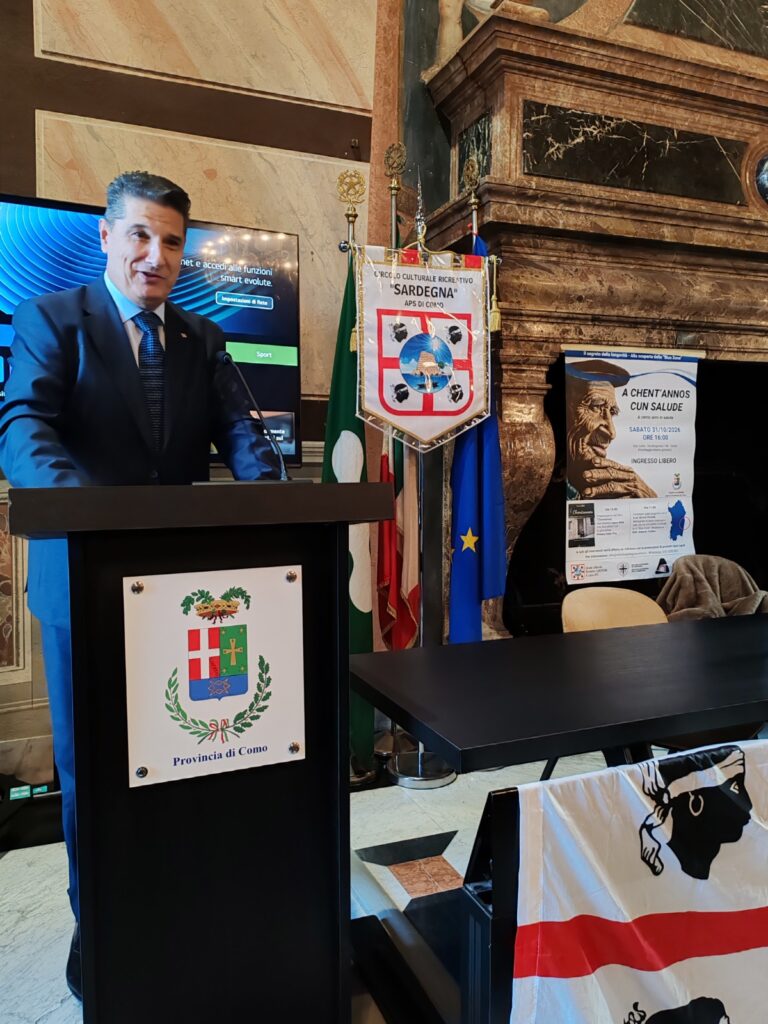
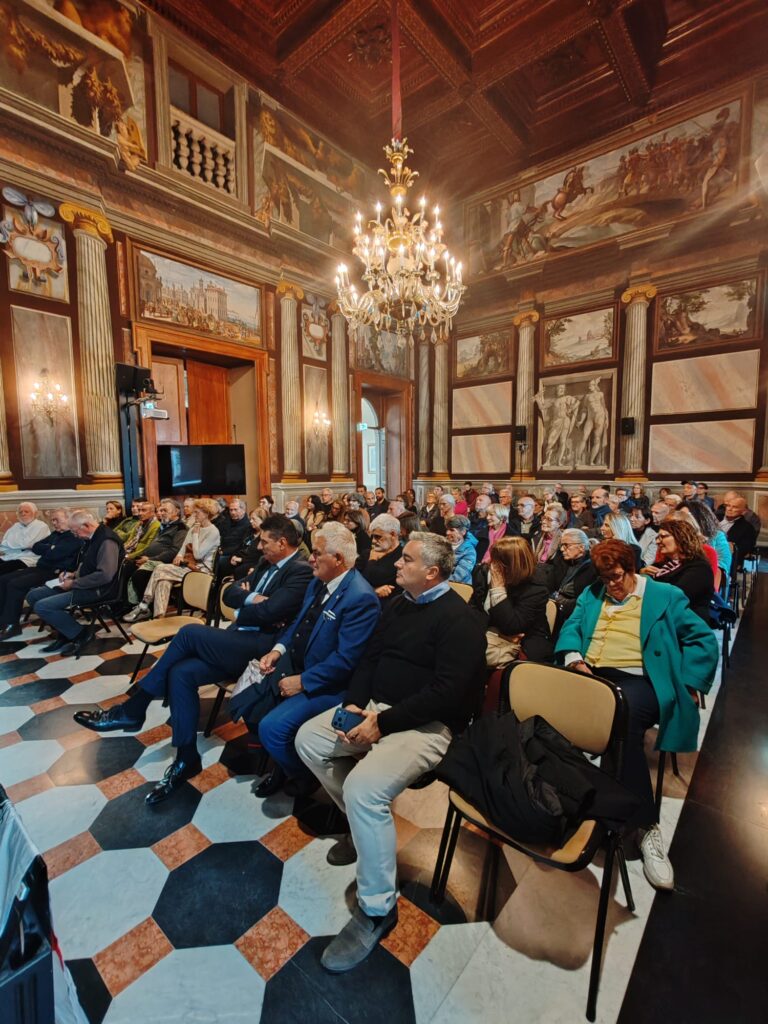
Una sala gremita, grande interesse e tanta curiosità per un pomeriggio dedicato alla longevità, alle tradizioni e agli stili di vita delle popolazioni che hanno saputo conservare nel tempo il segreto di una vita lunga e in salute. È stato un successo di partecipazione il convegno «A Chent’annos cun Salude – A cento anni in salute», organizzato sabato 31 ottobre 2026 dal Circolo Culturale Ricreativo Sardegna di Como APS nella bellissima Villa Gallia affacciata sul Lago di Como, con la presenza di un ospite d’eccezione: il professor Michel Poulain, demografo belga che, insieme a Gianni Pes, ha introdotto il concetto scientifico di Blue Zone, individuando proprio in Sardegna una delle aree del mondo caratterizzate da una straordinaria concentrazione di centenari.
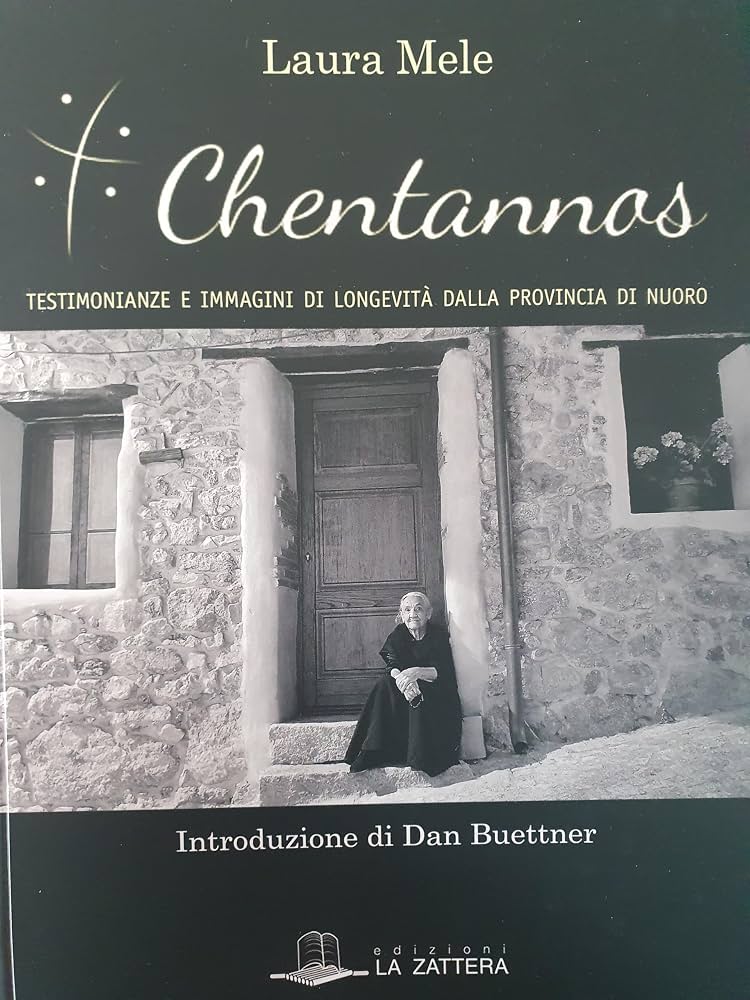
Il pomeriggio si è aperto con la presentazione del libro Chentannos di Laura Mele, un’opera preziosa che restituisce voce e volto a uomini e donne che hanno attraversato quasi un secolo di storia, vivendo in prima persona le profonde trasformazioni della società. Attraverso 150 interviste raccolte in alcuni comuni della Sardegna, la dottoressa Mele ha costruito un racconto corale fatto di ricordi, aneddoti, esperienze personali e testimonianze, frutto di un lavoro di ricerca condotto con grande pazienza e sensibilità. Le storie partono dagli anni Venti del Novecento per arrivare ai giorni nostri, componendo un affresco umano che racconta non soltanto la longevità, ma anche l’evoluzione di una comunità e dei suoi valori.
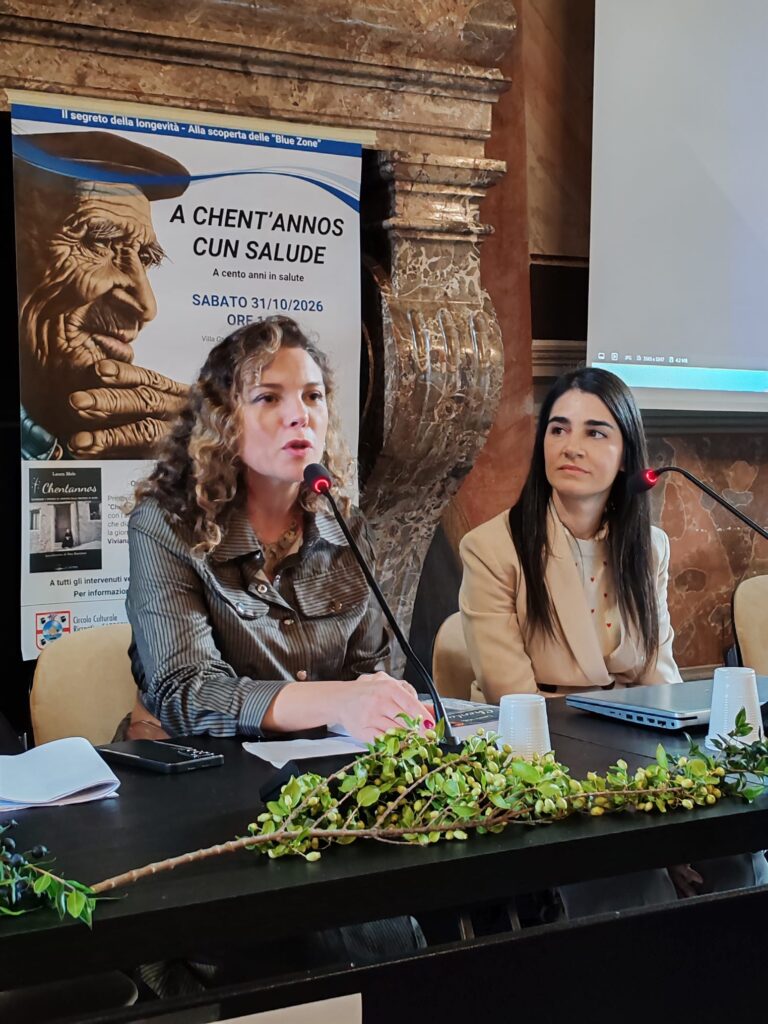
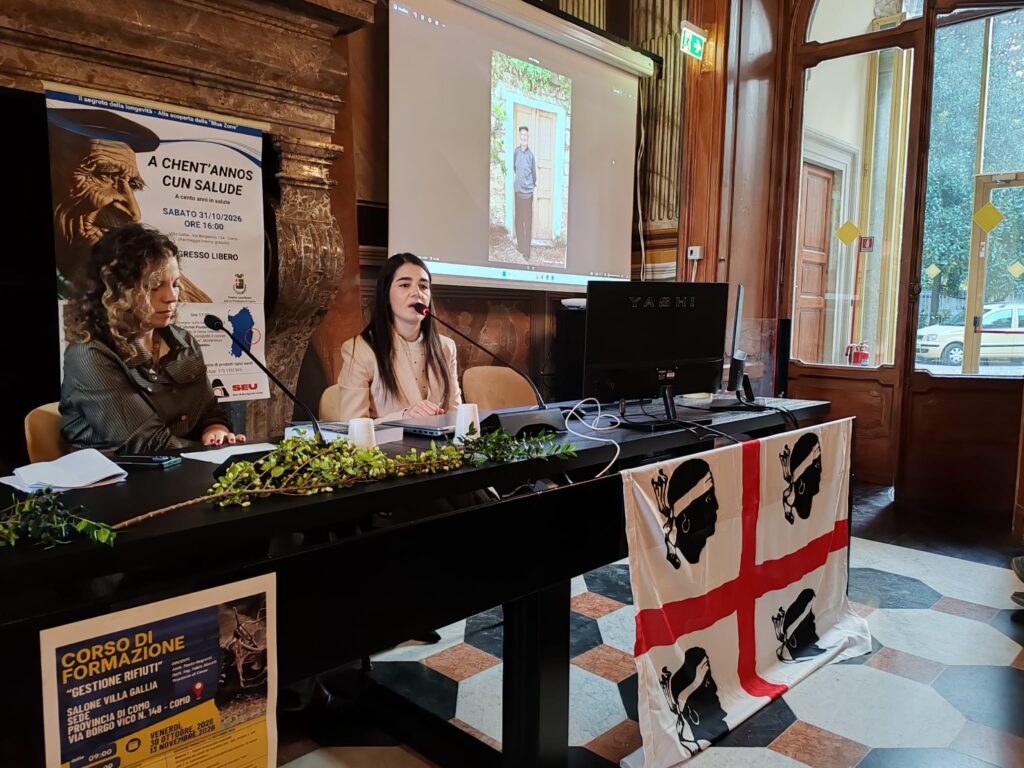
A rendere ancora più coinvolgente la presentazione, moderata dalla giornalista Viviana Dalla Pria, sono stati i video e le immagini realizzati dalla stessa autrice, che hanno permesso al pubblico di entrare nelle case, nei ricordi e nelle vite dei protagonisti del volume. Un patrimonio di memoria collettiva che dimostra quanto sia importante raccogliere e custodire le esperienze di chi ha attraversato epoche tanto diverse.
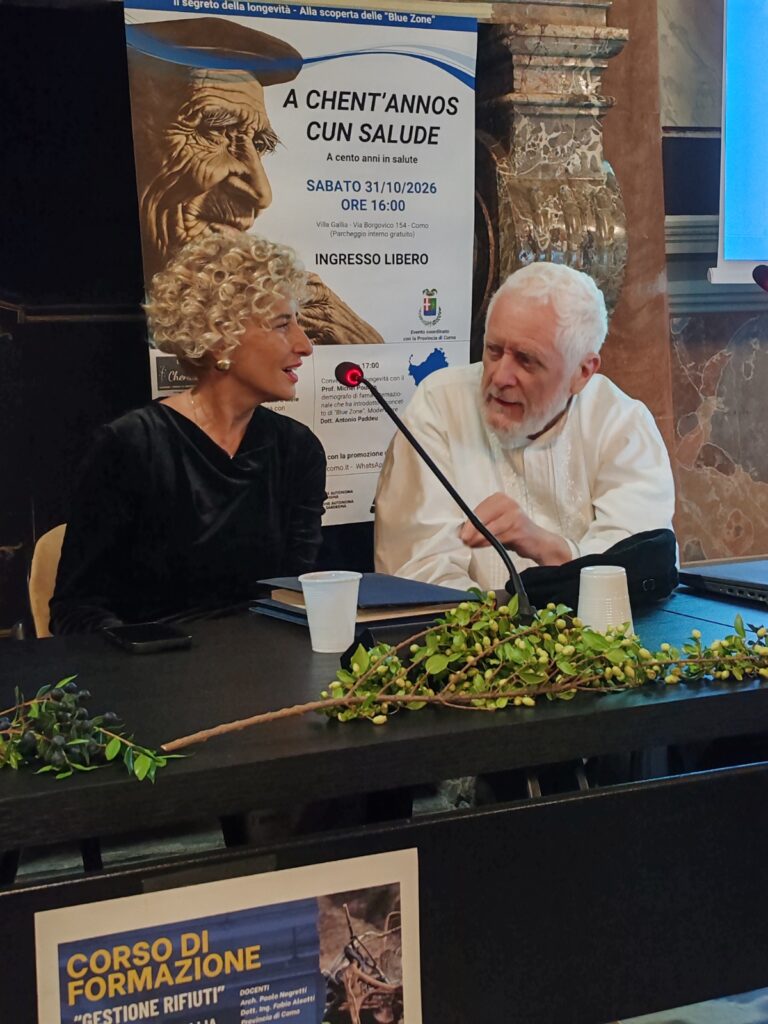
A seguire, l’attenzione si è spostata sulla dimensione scientifica con l’intervento del professor Michel Poulain, accolto da una platea numerosa e particolarmente interessata. Moderato dal dottor Antonio Paddeu e dal dottor Domignoni, l’incontro si è trasformato in un viaggio affascinante alla scoperta delle Blue Zone e dei fattori che contribuiscono a vivere a lungo e in buona salute. Con grande capacità comunicativa, Poulain ha saputo alternare rigore scientifico, racconti ed esempi, conquistando il pubblico anche grazie alla sua simpatia e alla sua evidente ammirazione per il popolo sardo.
Ma quali sono davvero i segreti della longevità? La risposta, secondo il professore, non risiede in una formula magica né in un singolo alimento, ma in un insieme di comportamenti quotidiani che, sommati nel tempo, fanno la differenza. Innanzitutto un’alimentazione basata su prodotti locali e di stagione, il più possibile a chilometro zero, senza eccedere nelle quantità: uno dei principi richiamati è quello di fermarsi quando si è sazi all’80%. Poi il movimento, praticato naturalmente ogni giorno, attraverso il camminare, andare in bicicletta, occuparsi della casa e dei campi, mantenendo uno stile di vita attivo anche in età avanzata.
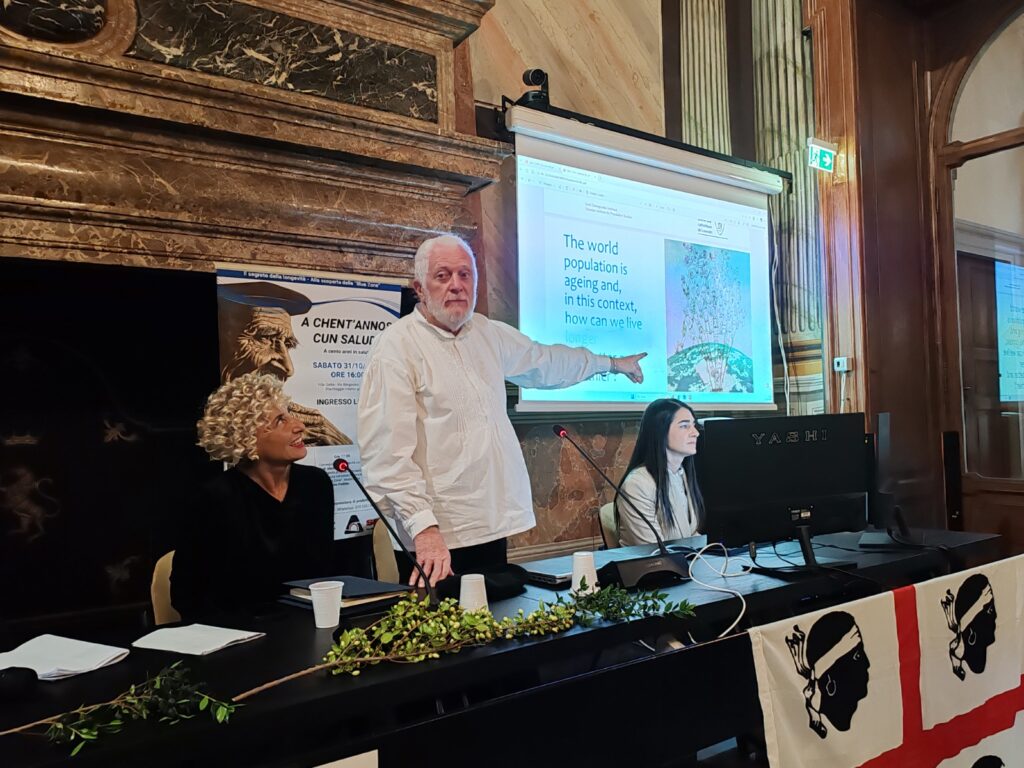
Accanto all’alimentazione e all’attività fisica, Poulain ha sottolineato il valore delle relazioni sociali, dello stare insieme, del sentirsi parte di una comunità e del coltivare una dimensione spirituale. Anche la fede e il senso di appartenenza religiosa, ha spiegato, possono rappresentare elementi importanti nel benessere delle persone, offrendo sostegno, fiducia e occasioni di condivisione.
Particolarmente apprezzata la riflessione sulla capacità dei sardi di preservare nel tempo abitudini e tradizioni, resistendo a quei cambiamenti dello stile di vita che, in altre realtà, hanno progressivamente allontanato le persone dai ritmi naturali. Proprio questa tenacia nel mantenere un rapporto autentico con il territorio, il cibo, il movimento e la comunità rappresenta uno degli elementi che hanno contribuito a rendere la Sardegna un caso di studio internazionale.
La scienza, ha ricordato il professore, attribuisce alla genetica circa il 25% del potenziale legato alla longevità, mentre il restante 75% è riconducibile all’epigenetica e, quindi, all’influenza che l’ambiente e gli stili di vita esercitano sull’espressione dei nostri geni. Un dato che restituisce a ciascuno una parte importante di responsabilità e possibilità: vivere a lungo non dipende soltanto dal patrimonio genetico ricevuto, ma anche da come scegliamo di vivere ogni giorno.
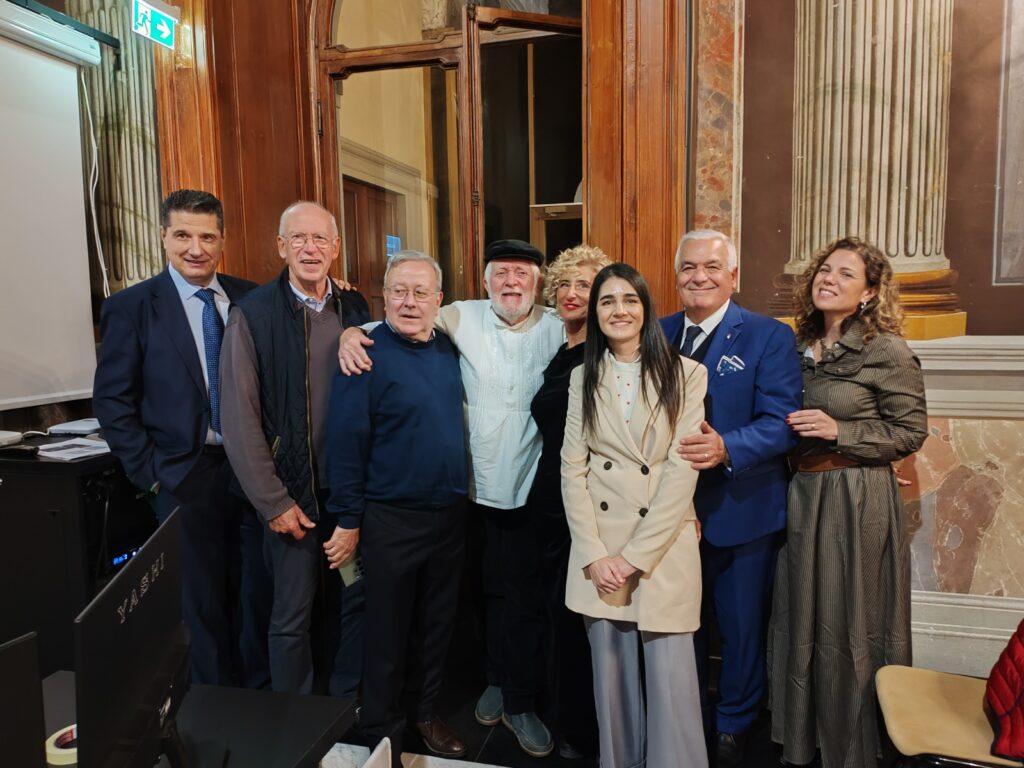
Un messaggio che ha trovato grande attenzione tra i presenti e che ha rappresentato il filo conduttore dell’intero pomeriggio: la longevità non è soltanto una questione di anni da aggiungere alla vita, ma soprattutto di qualità della vita da custodire nel tempo. Un patrimonio di conoscenze che la Sardegna, attraverso le testimonianze raccolte da Laura Mele e gli studi del professor Poulain, continua a offrire al mondo.
La grande partecipazione registrata a Villa Gallia ha confermato l’interesse per un appuntamento capace di intrecciare cultura, memoria, ricerca scientifica e identità. Una giornata che il Circolo Sardegna di Como ha saputo trasformare in un’occasione di incontro e condivisione, nel segno di un augurio che racchiude tutta la filosofia dell’iniziativa: A Chent’annos cun Salude, cento anni in salute.
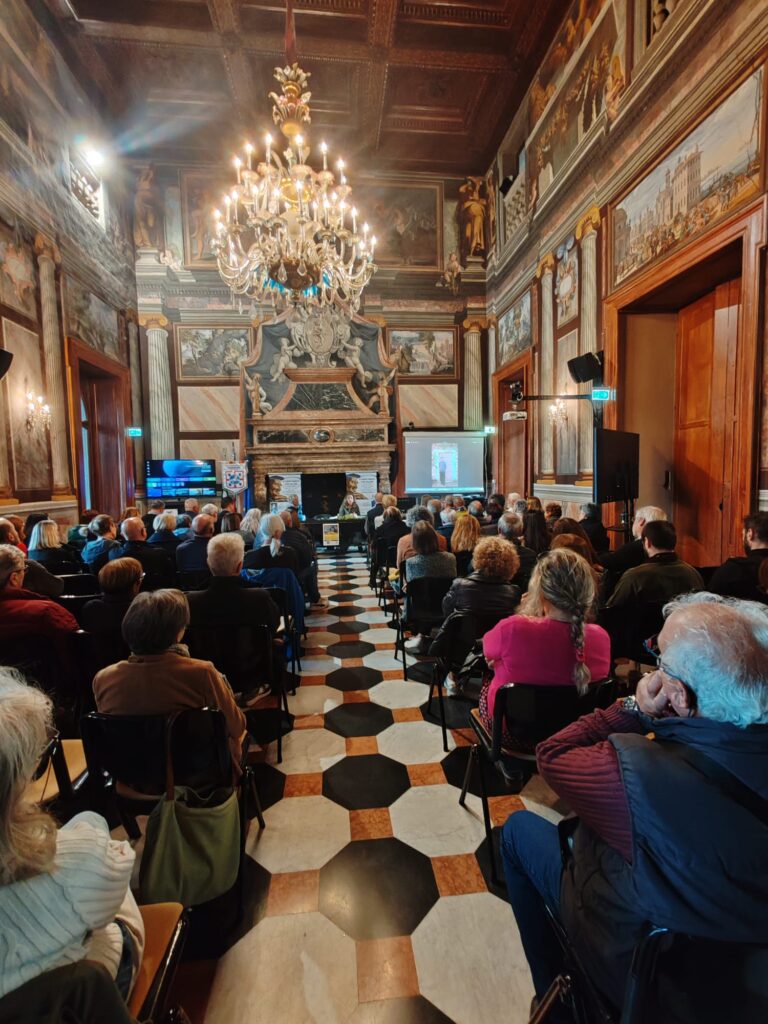
A packed room, great interest and plenty of curiosity marked an afternoon dedicated to longevity, traditions and the lifestyles of populations who have managed to preserve the secret of a long and healthy life over time. The conference “A Chent’annos cun Salude – A Hundred Years in Good Health”, organised on Saturday, 31 October 2026, by the Sardinian Cultural and Recreational Association of Como (Circolo Culturale Ricreativo Sardegna di Como APS), at the beautiful Villa Gallia, was a great success in terms of attendance. The event featured a distinguished guest: Professor Michel Poulain, the Belgian demographer who, together with Gianni Pes, introduced the scientific concept of Blue Zones, identifying Sardinia as one of the areas in the world with an exceptionally high concentration of centenarians.
The afternoon opened with the presentation of Chentannos, a book by Laura Mele, a valuable work that gives a voice and a face to men and women who have lived through almost a century of history, personally witnessing the profound transformations of society. Through 150 interviews conducted in several Sardinian municipalities, Dr Mele has created a collective narrative made up of memories, anecdotes, personal experiences and testimonies, the result of painstaking research carried out with great patience and sensitivity. The stories begin in the 1920s and reach the present day, creating a human portrait that tells not only the story of longevity, but also that of an entire community and the values it has preserved.
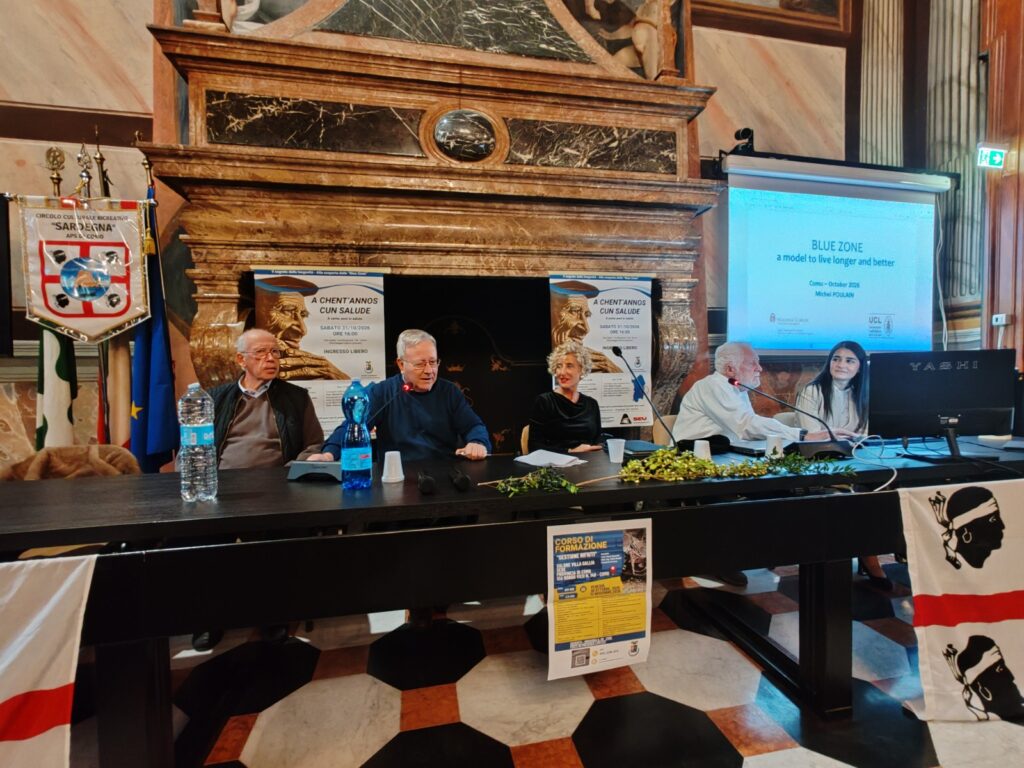
The presentation, moderated by journalist Viviana Dalla Pria, was made even more engaging by videos and photographs produced by the author herself, allowing the audience to enter the homes, memories and lives of the people featured in the book. It is a precious heritage of collective memory, demonstrating the importance of collecting and preserving the experiences of those who have lived through such different historical periods.
The focus then shifted to the scientific dimension with the contribution of Professor Michel Poulain, welcomed by a large and particularly attentive audience. Moderated by Dr Antonio Paddeu and Dr Domignoni, the meeting became a fascinating journey into the world of Blue Zones and the factors that contribute to a long and healthy life. With his excellent communication skills, Poulain combined scientific rigour with stories and practical examples, winning over the audience with his warmth and evident admiration for the Sardinian people.
But what are the real secrets of longevity? According to the professor, there is no magic formula or single food that holds the answer. Rather, longevity results from a combination of everyday habits which, over time, make a significant difference. First and foremost is a diet based on local and seasonal products, preferably sourced close to home, without eating excessive quantities. One of the principles he highlighted is to stop eating when you feel approximately 80% full. Then there is physical activity, naturally incorporated into everyday life through walking, cycling, looking after the home and working in the fields, maintaining an active lifestyle even in old age.
Alongside nutrition and physical activity, Poulain emphasised the importance of social relationships, spending time together, feeling part of a community and nurturing one’s spiritual life. Faith and religious belonging, he explained, can also play an important role in people’s well-being, providing support, trust and opportunities for sharing.
One particularly appreciated reflection concerned the ability of Sardinians to preserve their habits and traditions over time, resisting those lifestyle changes that, in other parts of the world, have gradually distanced people from natural rhythms. This determination to maintain an authentic relationship with the land, food, physical activity and community is one of the factors that has made Sardinia an internationally recognised case study.
Science, the professor pointed out, attributes approximately 25% of longevity potential to genetics, while the remaining 75% is linked to epigenetics and, therefore, to the influence that the environment and lifestyle choices have on gene expression. This figure highlights the important role that each of us can play: living a long life does not depend solely on the genetic inheritance we receive, but also on the way we choose to live every day.
This message resonated strongly with the audience and became the common thread running through the entire afternoon: longevity is not simply about adding more years to life, but above all about preserving quality of life over time. Through Laura Mele’s collected testimonies and Professor Poulain’s research, Sardinia continues to offer the world a valuable wealth of knowledge and experience.
The large turnout at Villa Gallia confirmed the local community’s interest in an event that successfully brought together culture, memory, scientific research and identity. The Sardinian Association of Como transformed the afternoon into an opportunity for meeting and sharing, united by the wish expressed in the event’s title: A Chent’annos cun Salude – May you live a hundred years in good health.